We Purchase Japanese-Made Recycled PET Flakes
Asiatic Solutions Co., Ltd. is seeking recycled PET flakes manufactured and stored in Japan. We invite suppliers to share information about available material, including its color, raw material source, washing status, quality specifications, and quantity.
Photographs and specification sheets are welcome. These documents help us understand the material more clearly and provide a more specific basis for discussing a potential purchase.
If your company has Japanese-made recycled PET flakes available, please send a description of the actual stock you are offering. This guide explains the information to include and provides a practical format for preparing your inquiry.
Recycled PET Flakes Manufactured and Stored in Japan
The central requirement of this purchasing inquiry is that the recycled PET flakes are both manufactured in Japan and currently stored in Japan.
Please identify the production location and current storage location separately. These details help distinguish locally manufactured stock from material that has only been imported, repacked, or stored in the country.
The source of the original raw material should also be disclosed. However, the raw material source and the flake manufacturing location are different pieces of information. Please describe each accurately rather than assuming that one establishes the other.
For an initial offer, the prefecture or city of production and storage can provide useful context. If supporting documentation is available, mention it in your inquiry.
Our request concerns PET flakes. If your material is in another form, such as baled containers, unprocessed scrap, or pellets, identify that form clearly.
What Information Should Suppliers Provide?
A useful supplier offer should answer five main questions:
- What color are the flakes?
- What raw materials were used to produce them?
- What washing treatment has the material received?
- What quality specifications or test results are available?
- How much material is available?
Please connect these answers to the stock being offered. A general description of your company’s production capabilities may be helpful, but it should be accompanied by information about the actual material available for consideration.
If several lots have different characteristics, list them separately. This avoids combining quantities that do not share the same color, washing status, or specifications.
No fixed color, washing category, quality threshold, or minimum quantity has been stated in this inquiry. Suppliers should provide their actual material details rather than adjusting the description to an assumed purchasing requirement.
Describe the Color of Your PET Flakes
Color is one of the first details requested when introducing recycled PET flakes.
Please use a description that represents the offered lot. Examples might include clear, light blue, green, or mixed color, depending on the material. These descriptions are reporting examples rather than a list of approved purchasing categories.
If the lot contains several colors, explain the mixture as clearly as possible. Where measured proportions are available, include them. If the description is based only on visual inspection, say so.
Photographs That Represent the Actual Stock
Take photographs under neutral lighting and avoid filters that change the appearance of the flakes.
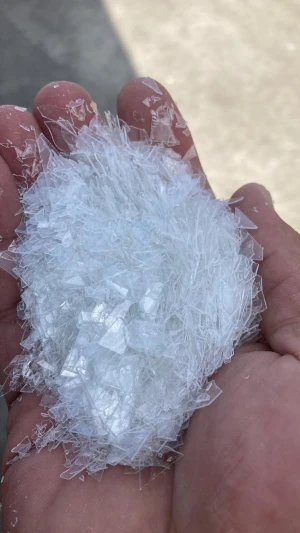
A close-up can show individual flakes and visible foreign matter. A wider image can communicate the overall color of the batch.
If different lots have different shades, photograph and label them separately. Reference images should be identified as reference images rather than presented as photographs of current stock.
Color should be considered alongside the other material information. RecyClass’s recycling-process documentation framework, for example, identifies polymer, color, and contamination level as separate elements of recycled-output specifications.
Explain the Raw Material Source
Please describe what was used to produce the recycled PET flakes.
A useful description identifies the original product or waste stream and explains whether the material comes from post-consumer collection, manufacturing scrap, or another source.
For example, a supplier may describe flakes produced from collected PET bottles or a defined PET production-scrap stream. These examples illustrate the level of detail that helps explain an offer; they do not establish acceptance of any particular feedstock.
If different raw material streams are combined, identify them and provide the proportions where known.
Keep Source Information Specific
Terms such as “bottle grade,” “high quality,” or “recycled PET” do not fully explain the input material.
More useful information includes:
- The original product type.
- The collection or production source.
- Whether the feedstock is a single stream or a mixture.
- Any known non-PET components in the incoming material.
- Sorting or separation carried out before flake production.
If some details are unavailable because the material was purchased from another producer, state that limitation. Clear reporting of what is known helps keep the discussion focused on verifiable information.
State the Washing Status Clearly
Please explain whether the offered PET flakes are unwashed, washed, hot-washed, or processed through another identifiable treatment.
“Washed” should be accompanied by a brief process description where available. If you know whether washing occurred before or after size reduction, or whether the material was subsequently dried, include that information.
Do not describe a batch as hot-washed unless that treatment is supported by the production information available to you.
Washing Status and Quality Results Are Separate
A washing description explains the treatment applied. A quality report describes the resulting material.
Both can be useful, but one should not replace the other. For example, a process description alone does not provide a measured moisture value or a quantified contamination result.
Published PET recycling assessments document washed and dried flakes together with separate data on residual materials such as PVC, polyolefins, and metals. This illustrates the value of reporting treatment history and measured quality separately.
Please provide the washing status of the current stock, especially if your company handles several products with different processing histories.
Share Available Quality Specifications
Send any specification sheet, inspection report, or batch test results available for the offered material.
The most useful documents identify the lot and explain how the reported values were obtained.
Depending on what has been tested, supporting information may include:
| Quality item | Information to report |
|---|---|
| Material identity | PET description and known material composition |
| Color | Color category and any measured or observed variation |
| Flake size | Reported size range or screening information |
| Moisture | Measured value, unit, and test method |
| Foreign plastics | Identified materials and measured levels, if available |
| Other contamination | Available information on labels, adhesive residues, paper, or metals |
| Intrinsic viscosity | Result, unit, and measurement method, if tested |
| Bulk density | Result and measurement method, if available |
| Batch reference | Lot number and production or inspection date |
These are suggested reporting fields, not additional purchasing thresholds.
Distinguish Typical Values from Batch Results
A technical data sheet may show a typical product value, while a batch report may show a result measured for a particular lot.
Please identify which type of information you are providing. If the offered stock has not been tested against the general specification, do not present typical values as confirmed batch results.
Likewise, avoid assigning an intended application solely from appearance. If you describe a material as suitable for a specific use, provide the supporting information behind that description.
Confirm Quantity and Current Storage
Please state the quantity currently available in Japan.
Use a clear unit, such as kilograms or metric tons, and explain whether the figure refers to net material weight.
If several lots are offered, provide a quantity for each one. Where relevant, identify whether the material is already packed or remains in bulk storage.
Separate Existing Stock from Future Supply
Current inventory and expected future production should be reported separately.
For example:
Current stock: [quantity] metric tons, stored in [location], Japan.
Potential additional supply: [quantity] per [period], subject to availability.
This format helps communicate what is available now without presenting a forecast as finished inventory.
Packaging information is also useful. Please describe the package type, approximate net weight per package, and whether batch identification is visible on the packaging.
If the material is stored at a third-party warehouse, explain that arrangement and identify the storage location to the extent appropriate for the initial inquiry.
Attach Useful Photographs and Documents
Photos and specification sheets can make an initial offer easier to understand.
Consider attaching:
- A close-up photograph of the flakes.
- A wider photograph representing the offered lot.
- Images of the packaging.
- Photographs of batch labels.
- A technical specification sheet.
- Available batch inspection or test reports.
Name the files so they can be matched to the relevant lot. For example, a photograph and a specification sheet for the same batch should use a consistent reference.
If an attachment relates to a previous production lot, identify it clearly. This prevents a historical report from being mistaken for evidence about the current stock.
Photographs support a visual review, but they do not establish every quality characteristic. Where a claim depends on measurement, include the relevant result or explain that testing information is unavailable.
A Practical Supplier Offer Checklist
Before submitting your inquiry, check that the essential information is included.
| Requested detail | What to include |
|---|---|
| Supplier identity | Company name and contact person |
| Manufacturing location | Location where the flakes were produced in Japan |
| Storage location | Current location of the offered stock in Japan |
| Color | Description of each offered lot |
| Raw material source | Original product or feedstock stream |
| Washing status | Treatment applied and drying information, if known |
| Quality specifications | Available data sheets and test results |
| Quantity | Current stock, separated by lot where necessary |
| Photographs | Images representing the actual offered material |
| Supporting documents | Clearly labeled specifications and reports |
You may also include an asking price, quotation basis, or availability date if you wish. These commercial details can provide additional context, although the main information requested in this inquiry concerns the material and quantity.
Suggested Email Format
Subject: Japanese-Made Recycled PET Flakes — Supplier Offer
Dear Asiatic Solutions Team,
We would like to introduce recycled PET flakes manufactured and currently stored in Japan.
Please find the available material details below:
- Company name:
- Contact person:
- Manufacturing location:
- Current storage location:
- Batch or lot reference:
- Flake color:
- Raw material source:
- Washing status:
- Available quality specifications:
- Current quantity:
- Packaging details:
- Expected availability:
We have attached photographs and available specification sheets for your consideration.
Please let us know if additional information is needed to discuss this material.
Best regards,
[Name]
[Company]
[Telephone]
[Email]
Frequently Asked Questions
Must the PET flakes be manufactured in Japan?
Yes. This inquiry seeks recycled PET flakes manufactured and stored in Japan. Please confirm both locations in your offer.
Must the original raw material also come from Japan?
The inquiry requests information about the raw material source but does not state a separate requirement that all feedstock originate in Japan. Please disclose the source accurately.
Are only clear PET flakes being requested?
No exclusive color requirement is stated. Report the actual color and include photographs for consideration.
Is hot washing mandatory?
No mandatory washing category is specified. Please explain the treatment applied to your material.
Is there a minimum quantity?
No minimum quantity is stated. Please report the actual available stock and keep future supply estimates separate.
What if some specifications are unavailable?
Send the information you have and identify the missing items. Avoid estimating test results or describing unverified values as confirmed specifications.
Contact Asiatic Solutions Co., Ltd.
If you can offer Japanese-made recycled PET flakes stored in Japan, please contact Asiatic Solutions with the color, raw material source, washing status, quality specifications, and quantity.
Attach available photographs and specification sheets to help us consider your material more specifically.
Asiatic Solutions Co., Ltd.
Address: #701, 3-7-6 Nishi-Asakusa, Taito-ku, Tokyo 111-0035, Japan
Phone: 03-6284-7075
Email: assistant.ceo@asiatic-solutions.com